The sustainability challenges we face today appear in different forms—degrading soils, rising input intensity, and inefficient biological production systems.
At SV Biotech, we work across agriculture and biotechnology, focusing on the biological processes that sit at the core of these challenges. Whether in soil or in fermentation systems, our approach remains the same: understand where biology is weakening, and restore it at the source.
Why Soil Biology Defines Agricultural Sustainability
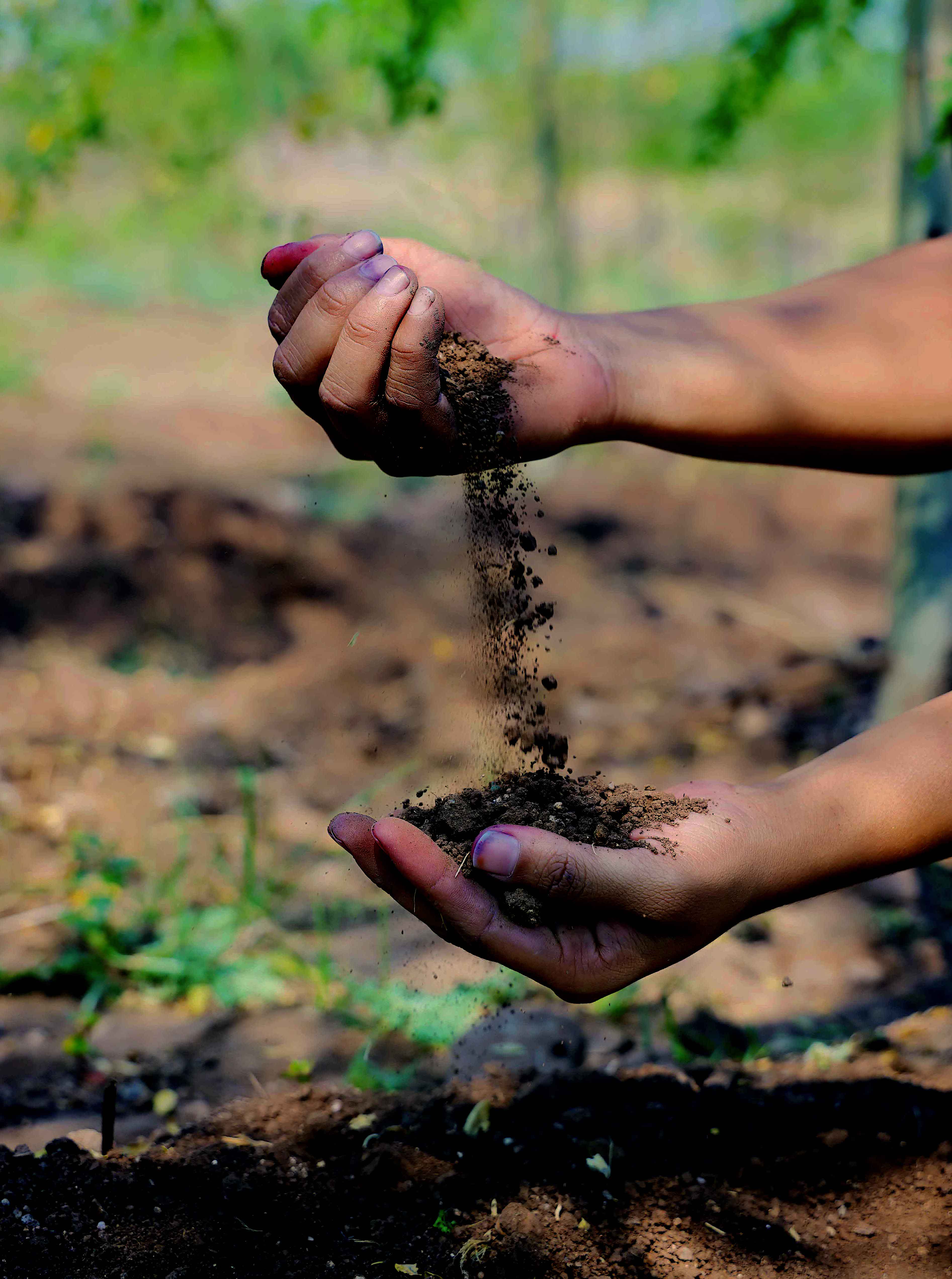
Agriculture today is under pressure to produce more food with fewer resources. Many challenges—declining productivity, rising input costs, and environmental stress—originate below the soil surface, where natural biological processes have gradually weakened. At SV Biotech, sustainability begins with understanding these root causes rather than addressing surface-level symptoms.
Soil is not an inert growing medium; it is a living system. Microorganisms in the soil govern nutrient availability, root interaction, and the soil’s ability to buffer crops against stress. When intensive practices and prolonged chemical dependence reduce microbial activity, nutrient efficiency declines and soils lose resilience. Agriculture then compensates with higher inputs, creating a cycle of diminishing returns and long-term soil degradation.
Sustainable agriculture cannot be achieved through input substitution alone. It requires restoring the biological systems that allow soil to function efficiently and resiliently over time. SV Biotech focuses on strengthening soil biology so that nutrients are cycled more effectively, crops interact better with the soil, and resilience improves naturally—reducing dependence on constant chemical correction.
We are committed to advancing agricultural systems that restore soil biological function, improve nutrient efficiency without increasing input intensity, and support resilient crops under changing climatic conditions. Through microbial innovation and disciplined science, we aim to support food systems that remain productive, resilient, and sustainable for the long term.
Valuing Every Output of a Biological Process
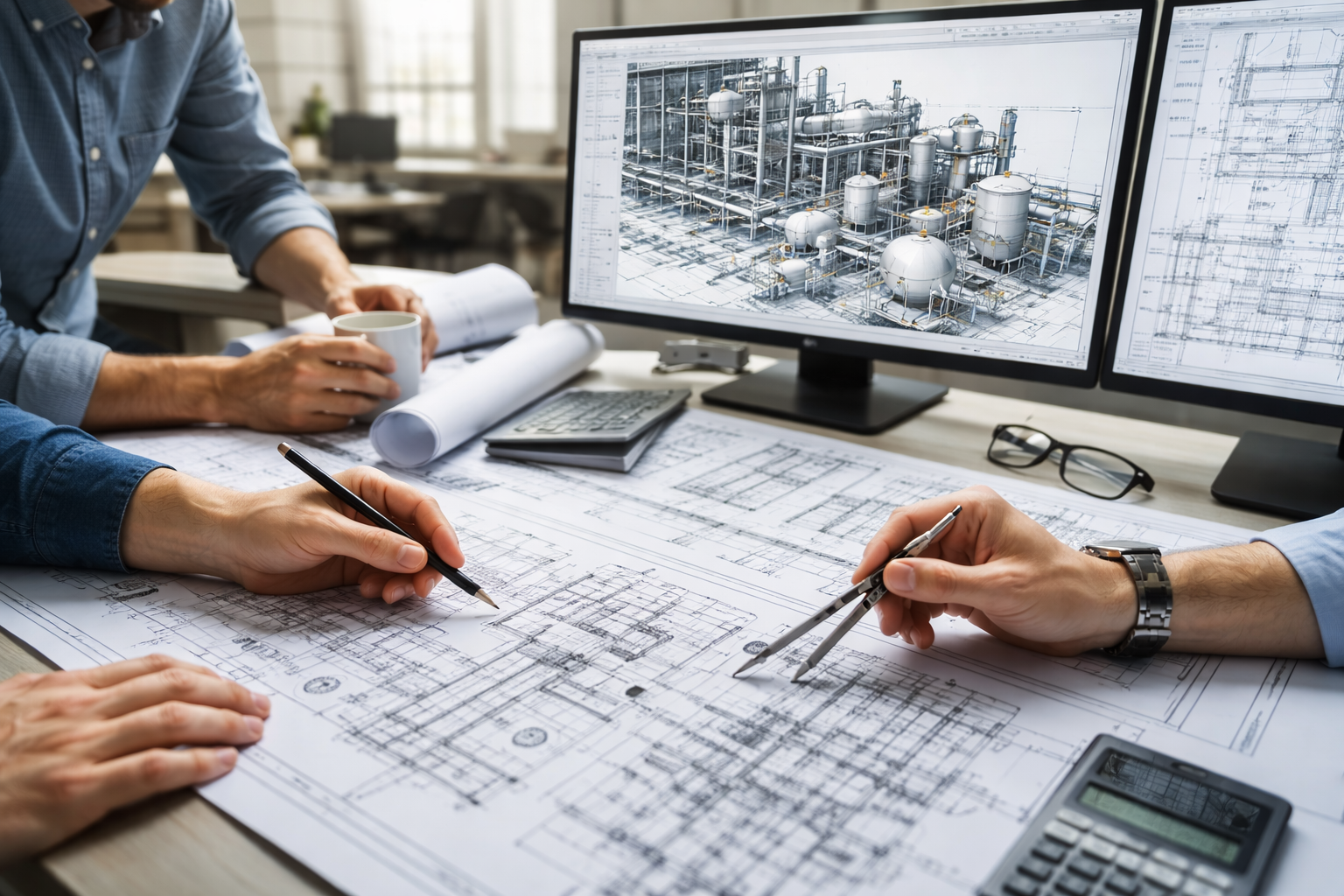
In many biological production systems, attention is placed almost entirely on the final product. Materials generated along the way are often ignored—not because they lack value, but because they are seen as inconvenient or outside the main objective. When by-products and waste streams are treated as unavoidable leftovers rather than potential resources, biological systems are prevented from operating at full capacity.
Biological processes such as fermentation naturally generate multiple outputs. When these are overlooked, valuable material remains underutilised or requires additional handling and disposal. This increases resource consumption, operating costs, and environmental burden, while the opportunity to create additional value from the same biological inputs is lost.
At SV Biotech, sustainability in biological production means caring about everything a biological process creates. We design fermentation and biological pathways with the intent to utilise resources more completely, identify opportunities for further processing or reuse, and reduce waste at the source. By improving how biological inputs are converted and managed, we aim to extract maximum value from the same resources.
This approach supports not only environmental responsibility, but also economic sustainability. By recognising alternate value streams within biological processes, we help create production systems that are more efficient, resilient, and viable over the long term.
We are committed to biological production systems that respect both resources and value. By designing processes that make fuller use of what biology provides, we work toward solutions that are responsible, scalable, and aligned with sustainable growth.
Restoring weakened biological systems at their source
Maximizing value from every biological process
Evidence-based approaches to sustainability
Building systems that endure beyond the short term